The warnings have been sounded by some of the most influential figures in the artificial intelligence industry. Executives at top AI companies have told us that the technology poses significant risks to society, with some even testifying in Congress about the potential dangers. However, despite these warnings, the industry leaders are also promoting the benefits of AI, with some suggesting that it could create a world of abundance and leisure. This dichotomy has led to a split among the public, with some embracing AI and others fearing its potential consequences. The latter group, often referred to as “doomers,” are not being convinced by the industry’s sales pitch and are calling for greater caution.
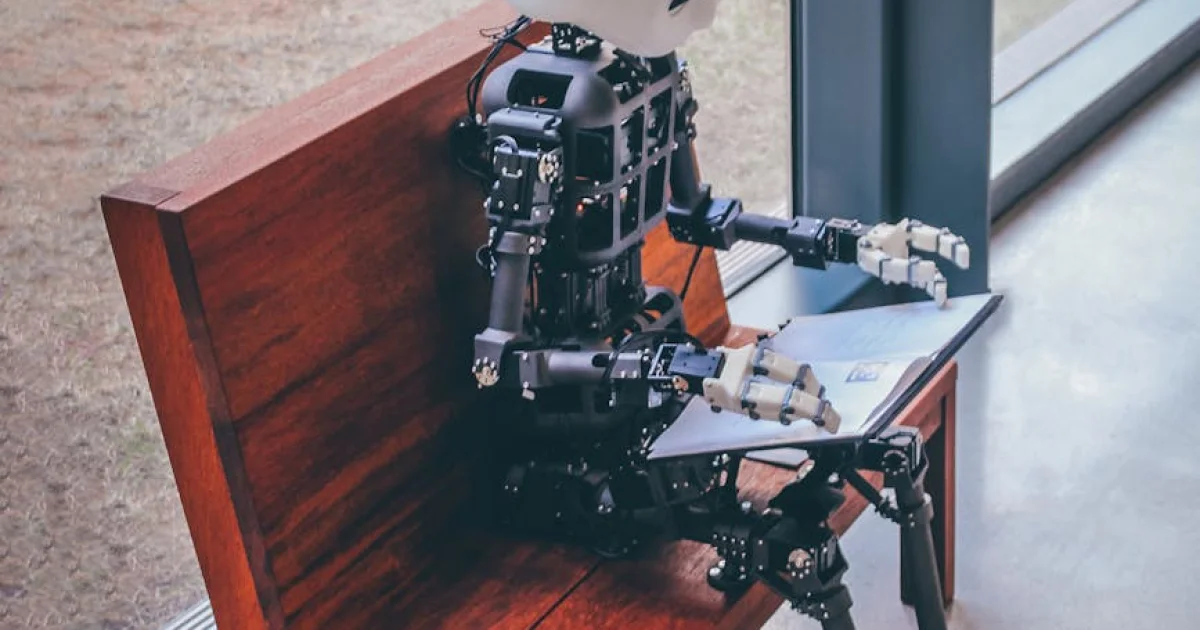
Understanding the AI Doomers
Chris Lehane, OpenAI’s global policy chief, has described the doomers as individuals who have a “very, very negative and dark view of humanity.” According to Lehane, this group is not being sold on the benefits of AI and is instead emphasizing the potential risks. However, this characterization oversimplifies the concerns of those who fear the consequences of AI.
Who Are the AI Doomers?
While the term “doomer” may evoke images of a fringe group of conspiracy theorists, the reality is more complex. The AI doomers are individuals from diverse backgrounds and walks of life, united by their concern about the potential risks of AI. They may be scientists, engineers, philosophers, or simply concerned citizens who have been following the developments in AI with interest. What unites them is a sense of unease about the potential consequences of creating and deploying advanced AI systems.
One of the key concerns of the AI doomers is the potential for AI to exacerbate existing social issues, such as income inequality and job displacement. With AI systems able to automate many tasks, there is a risk that certain sectors of the population may become increasingly marginalized. Furthermore, the concentration of AI development in the hands of a few large corporations raises concerns about the potential for monopolies and the loss of control over the technology.
The Risks of AI
AI systems have the potential to create significant risks for humanity, including the possibility of job displacement, increased income inequality, and the exacerbation of existing social issues. However, the risks also extend to more existential concerns, such as the potential for AI to become a threat to human existence. This is a topic that has been discussed by experts in the field, including Sam Altman, the CEO of OpenAI. In a 2015 interview, Altman stated that AI could potentially lead to the end of the world, but in the meantime, it will create great companies with serious machine learning.
Altman’s comments are not unique in the industry. Yann LeCun, the director of AI research at Facebook, has also warned about the potential risks of AI, stating that it could be used to “design novel biological pathogens.” The warnings from these industry leaders are a stark contrast to the upbeat marketing campaigns that have been launched to promote AI as a beneficial technology.
Why Are the AI Doomers Being Ignored?
Despite the warnings from industry leaders, the concerns of the AI doomers are being dismissed by some as a fringe movement. However, this ignores the fact that the risks of AI are real and significant. The AI doomers are not just a group of conspiracy theorists; they are individuals who are genuinely concerned about the potential consequences of creating and deploying advanced AI systems.
The AI industry’s response to the concerns of the AI doomers has been to downplay the risks and emphasize the benefits of the technology. This approach is not only dismissive of the concerns of the AI doomers but also ignores the potential risks of AI. By downplaying the risks, the industry is creating a false narrative that AI is a harmless technology.
A Call to Action
So, what can be done about the concerns of the AI doomers? The first step is to acknowledge the risks of AI and take them seriously. This means engaging with the concerns of the AI doomers and addressing their fears in a constructive way. It also means recognizing that the risks of AI are not just hypothetical but real and significant.
One practical step that can be taken is to increase transparency and accountability in the AI industry. This means that companies should be transparent about their AI development and deployment, and they should be held accountable for any negative consequences that arise from their technology. This could involve establishing regulatory frameworks that ensure the safe development and deployment of AI systems.
You may also enjoy reading: Top 9 Robot Vacuums of 2026: Shark ION vs Eufy RoboVac Showdown.
Another step is to engage in public dialogue about the risks and benefits of AI. This means that industry leaders, policymakers, and experts should engage in open and honest discussions about the potential consequences of AI. This can help to allay fears and address concerns, but it also means acknowledging the potential risks and taking steps to mitigate them.
Ultimately, the AI doomers are not a fringe group of conspiracy theorists; they are individuals who are genuinely concerned about the potential consequences of creating and deploying advanced AI systems. It is time to take their concerns seriously and engage in a constructive dialogue about the risks and benefits of AI.
Addressing the Consequences of AI
The consequences of AI are not just limited to the existential risks that have been discussed by industry leaders. They also extend to more practical concerns, such as job displacement and income inequality. To address these concerns, we need to think about the impact of AI on the workforce and the economy.
Upskilling and Reskilling
One of the key challenges of AI is the potential for job displacement. As machines become increasingly capable of performing tasks, there is a risk that certain sectors of the population may become increasingly marginalized. To address this challenge, we need to think about upskilling and reskilling. This means that individuals should be given the opportunity to acquire new skills that are relevant to the changing job market.
Upskilling and reskilling can be achieved through a variety of means, including education and training programs. These programs should be designed to equip individuals with the skills they need to succeed in an economy that is increasingly driven by AI. This could involve training in areas such as data science, programming, and problem-solving.
Basic Income Guarantee
Another potential solution to the challenge of job displacement is a basic income guarantee. This is a concept in which every individual receives a guaranteed minimum income, regardless of their employment status. This could provide a safety net for individuals who are displaced by AI and help to mitigate the negative consequences of job loss.
A basic income guarantee is not a new concept, and it has been proposed in various forms in different countries. However, the idea has gained traction in recent years as a potential solution to the challenge of job displacement. The idea is that by providing a basic income guarantee, individuals would have the financial security to pursue education and training, and to adapt to the changing job market.
Conclusion
The AI doomers are not just a fringe group of conspiracy theorists; they are individuals who are genuinely concerned about the potential consequences of creating and deploying advanced AI systems. By acknowledging the risks of AI and taking them seriously, we can begin to address the concerns of the AI doomers and create a more sustainable future for all. This means engaging in public dialogue about the risks and benefits of AI, increasing transparency and accountability in the industry, and addressing the practical challenges of AI, such as job displacement and income inequality.