If you’re expecting the next iPhone to keep the same slim profile, you might want to brace for a change. This added bulk is linked to a redesigned camera system featuring Apple’s first variable aperture. According to leaker Fixed Focus Digital, the final thickness figure “will indeed be somewhat surprising.” For context, the iPhone 17 Pro and Pro Max come in at 8.75mm thick, while the iPhone 18 Pro models are estimated to land between 9.9mm and 10.9mm. That’s a significant jump for a device that usually prioritizes slimness.
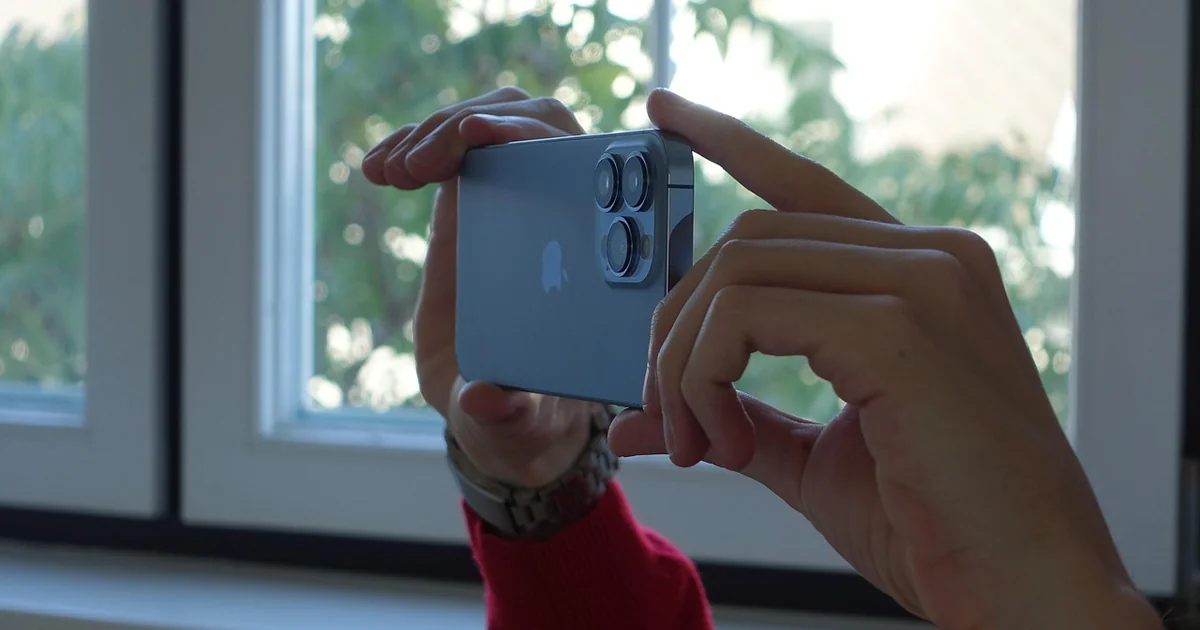
To put that jump in perspective, the difference between 8.75mm and a potential 9.9mm to 10.9mm means you could be looking at an increase of roughly 1.15mm to 2.15mm. That might not sound like much on paper, but for a phone that has consistently shaved off fractions of a millimeter with each generation, it is a notable shift in the opposite direction. Early dummy models give you a clearer picture of where that extra thickness is going, and they help answer just how much the iPhone 18 Pro thicker design actually feels in hand. For the iPhone 18 Pro Max specifically, the camera plateau — that raised section on the back housing the lenses — is expected to grow from 11.23mm to 11.54mm. That is a smaller relative increase, but it suggests Apple is making room for larger sensor hardware rather than just adding bulk to the chassis. So when you look at iPhone 18 Pro vs iPhone 17 Pro thickness, the change is not uniform across the entire device; the back of the phone will see the most noticeable difference, especially around the camera array. These iPhone 18 Pro measurements point to a design that prioritizes camera capability over the ultra-slim profile seen in recent years.
Why Is a 2mm Thickness Increase Considered Surprising?
You might have gotten used to Apple slimming down each new iPhone. Since the iPhone 12 series, the company has consistently trimmed the thickness year after year. That makes a potential 2mm increase for the iPhone 18 Pro stand out sharply. Typical generational changes are much smaller—often fractions of a millimeter. So a jump of this size breaks the recent pattern and signals a clear shift in priorities. It’s a meaningful departure from the iPhone thickness trend you’ve come to expect.
Leaker ‘Fixed Focus Digital’ has claimed that the final thickness figure ‘will indeed be somewhat surprising.’ That comment alone suggests this isn’t a minor tweak. For context, the iPhone thickness trend has been moving toward thinner designs since the iPhone 12, which makes a surprising Apple design change like this even more notable. Many fans associate Pro models with a sleek profile, so the iPhone 18 Pro being thicker feels like a deliberate trade-off for better camera hardware or battery life. It shows that Apple is willing to accept added bulk if it means improving other features, challenging the long-held notion that thinner is always better.
The Camera Upgrade Driving the Extra Bulk: Variable Aperture
That extra thickness isn’t just for show. The main culprit is a redesigned main camera system that introduces the iPhone’s first variable aperture lens. This is a significant hardware shift. Instead of a fixed opening that lets in a set amount of light, a variable aperture can physically open wider in low light or close down in bright conditions. The mechanical parts needed to make that adjustment are what take up the extra space. This component costs Apple 50% more than the current fixed-aperture lens, which explains why the iPhone 18 Pro thicker design is a deliberate engineering choice rather than a design oversight. The added complexity of moving blades and a control mechanism simply requires more internal volume than the static lens it replaces.
For you, the payoff is more practical control over your photos. A variable aperture on an iPhone means you could get sharper images in bright sunlight without overexposure, and capture more light in dim settings without relying solely on software processing. It’s a hardware upgrade that directly impacts image quality, and it’s the primary reason the camera bump and the overall phone profile have grown. This variable aperture iPhone camera hardware is a clear trade-off: a slightly thicker phone for a much more capable camera system.
How Does Variable Aperture Work Mechanically?
So how does this variable aperture actually function inside the thicker iPhone 18 Pro? The key is a mechanical iris or a liquid crystal shutter built into the lens assembly. Think of it like the pupil of your eye: it can open wide to let in more light or close down to a smaller opening. In a traditional fixed-aperture smartphone camera, that opening stays the same size no matter the scene. With a variable aperture mechanism, the iPhone camera aperture control can physically adjust the diameter of the hole through which light passes. This gives you two major benefits: better low-light performance when the aperture is fully open, and increased depth-of-field control when it’s stopped down. For example, a wider aperture lets you capture brighter, cleaner shots in dim conditions, while a narrower aperture keeps more of your scene in sharp focus — ideal for landscape or group photos. This is a first for the iPhone, though it’s a technique already seen in the Samsung Galaxy variable aperture comparison from a few years back.
Samsung used a similar mechanical iris in the Galaxy S9 and S10 series to switch between f/1.5 and f/2.4. Apple’s implementation could be even more refined, potentially offering multiple aperture stops. That extra thickness in the iPhone 18 Pro makes room for these moving parts, and the payoff is a camera system that adapts to light and composition in ways no previous iPhone could.
Impact on Camera Performance: What Variable Aperture Brings
That flexibility translates directly to real-world improvements in your photos. With a variable aperture, the iPhone 18 Pro can adjust the lens opening to suit the scene. A wider aperture, like f/1.8, lets in more light, which is a major boost for iPhone low-light photography. You’ll capture brighter, clearer shots in dim environments without relying as much on flash or long exposures. On the other hand, a narrower aperture, such as f/4, increases overall sharpness and depth of field. This means more of your scene stays in focus, which is ideal for landscapes or group photos. For portraits, you get better portrait mode depth control, with smoother background blur and sharper subject details. The added thickness that makes this possible is a trade-off, but for camera performance improvement, it’s a worthwhile one. Whether you’re shooting in low light or aiming for precise focus, the variable aperture gives you more creative control over every shot.
Will Apple Return to Titanium for the iPhone 18 Pro?
Given the shift from titanium to aluminum for the iPhone 17 Pro, you might wonder if Apple will eventually bring titanium back for the iPhone 18 Pro. The short answer is no. Apple is committing to aluminum alloy mid-frames for the long term, and the iPhone 18 Pro material will continue with this lightweight, practical build. The iPhone 18 Pro thicker design is part of this strategy, prioritizing internal upgrades over a return to heavier materials. In the aluminum vs titanium debate, Apple is clearly betting on aluminum’s advantages, particularly its excellent ability to dissipate heat. This Apple heat dissipation improvement helps keep the device cooler during intense tasks like gaming or video editing, which is a tangible benefit for everyday performance. Titanium, while premium, trapped more heat, making aluminum the smarter long-term choice for both durability and thermal management. So, if you were hoping for titanium’s return, it’s not happening for the foreseeable future — aluminum is here to stay, and it’s all about better performance and comfort in hand.
Heat Dissipation Benefits of the Aluminum Alloy Frame
That extra thickness in the iPhone 18 Pro isn’t just for show—it comes with a practical performance upside. The aluminum alloy frame is known for its excellent thermal conductivity, meaning it can pull heat away from the processor and other internal components much more efficiently. Since the iPhone 18 Pro thicker design allows for more physical material to work with, the frame can act like a larger heat sink, passively cooling the device during demanding tasks. This is a key advantage over the titanium used in the iPhone 15 Pro series, which, while strong, doesn’t manage heat nearly as well.
Better iPhone heat management directly translates to smoother performance. When your phone gets too hot, it has to slow down the processor to protect itself—a process called throttling. By improving the thermal performance aluminum offers, the iPhone 18 Pro should be able to sustain high performance for longer periods, whether you’re editing video, playing graphics-heavy games, or navigating on a sunny day. This focus on efficient heat dissipation is a major reason Apple is sticking with aluminum for the foreseeable future, prioritizing consistent speed and reliability over a specific material’s prestige.
Trade-Offs: Thickness vs. Durability and Camera Performance
Every design choice comes with compromises; here’s what Apple is balancing with the iPhone 18 Pro thicker chassis. The added bulk is directly tied to a redesigned main camera system featuring the iPhone’s first variable aperture. This mechanical innovation allows you to adjust the aperture for better control over depth of field and low-light performance, but it requires more physical space. The increased thickness can improve structural rigidity and make the camera module more robust, potentially reducing the risk of lens damage from drops. However, you might notice the phone feels less sleek and less pocket-friendly compared to its predecessor. These factors highlight the ongoing debate around slim vs thick smartphone design — a trade-off that directly affects your daily carrying experience.
Beyond portability, the variable aperture introduces moving parts that could affect long-term camera reliability. More mechanical complexity often means more potential points of failure, so Apple will need to ensure the assembly is sealed and durable against dust and shock. In exchange, you get significantly enhanced camera performance with professional-level control. This is one of the core iPhone durability trade-offs: the same features that make the phone thicker also make it tougher, but with added engineering demands. Apple is betting that the benefits of improved image quality and structural strength outweigh the loss of ultra-slimness, making function the clear priority in this generation.
How Will the Thicker Design Affect Everyday Usability and Pocketability?
That shift toward function over thinness means you’ll notice a real difference when you pick up the phone. The roughly 2mm increase in body and camera plateau thickness is enough to feel, but not so much that it becomes a problem. Most people adapt within a day or two — your grip naturally adjusts to the slightly heftier shape. What stands out more is the camera bump. With the iPhone 18 Pro thicker already, the lens housing sticks out further, which can cause noticeable wobbling when you set the phone on a flat table. Typing one-handed while it’s resting on a desk may feel a bit less stable. As for pocketability, the increase is minor. Your jeans pocket will still hold it fine, though if you use a thick protective case, the combined bulk might feel snug. So while the iPhone 18 Pro thinner-than-ever days are behind, this thicker profile doesn’t ruin daily use — it just asks for a small adjustment in how you hold and place your device.
iPhone 18 Pro Thickness Compared to Other Flagship Smartphones
So, how does Apple’s new thickness stack up against the competition? To put the iPhone 18 Pro thicker design into perspective, consider the current flagship landscape. The Samsung Galaxy S25 Ultra measures around 8.6mm thick, while the Google Pixel 10 Pro comes in at about 8.9mm. These numbers mean the iPhone 18 Pro, at an estimated 9.9 to 10.9mm, would be noticeably chunkier than most leading Android flagships. In fact, it could easily become one of the thickest flagship smartphones on the market in 2026.
For context, the iPhone 17 Pro and Pro Max sit at 8.75mm, so the jump to nearly 11mm is a significant one. This puts the iPhone 18 Pro in a different weight class compared to slim rivals like the Galaxy S series or Pixel line. While many Android phones have been shaving off millimeters, Apple appears to be adding them back. If you are used to a sleek, ultra-thin device, this iPhone 18 Pro thicker profile will be a noticeable departure from the norm when you compare it side-by-side with other premium phones.
Leaker Reliability: Who Is ‘Fixed Focus Digital’?
Before you take any rumor at face value, it pays to know the source. In this case, the tipster behind the iPhone 18 Pro thicker claim goes by the handle Fixed Focus Digital. Like many Apple leaker track records, theirs is a mixed bag. On the plus side, Fixed Focus Digital rumors have been right about certain iPhone camera specifications in previous years, which gives them some credibility in the optics department. However, that same source has also missed the mark on launch dates and even predicted the wrong materials for chassis designs. So when they say the final thickness figure “will indeed be somewhat surprising,” you should treat it as an interesting hint rather than a confirmed fact. For iPhone leak credibility, it is always wise to cross-reference any single claim with other established leakers. A surprising thickness could be real, but it could also be a misinterpretation of prototype data. Either way, knowing the leaker’s history helps you weigh the rumor more accurately.
Launch Timeline: When Will the iPhone 18 Pro Arrive?
While the iPhone 18 Pro thicker design remains a rumor for now, you won’t need to wait years to find out if it’s real. The iPhone 18 Pro and Pro Max are expected to launch in September 2026. This is consistent with Apple’s annual fall refresh cycle, so you can mark your calendar for a standard release window. What makes this launch different is a major companion device: Apple’s first foldable iPhone is expected to debut right alongside the iPhone 18 Pro. That means September 2026 could be a particularly busy month for Apple fans, with two headline devices arriving at the same event.
If the pattern holds, pre-orders for the iPhone 18 Pro will open about a week after the announcement. That gives you a short window to decide whether the potential iPhone 18 Pro thicker chassis — along with any camera or battery improvements — is worth the upgrade. The iPhone 18 Pro release date in fall 2026 also places it after the iPhone 17 series, so current rumors about thickness will have plenty of time to be confirmed or debunked. When the Apple foldable iPhone 2026 launches alongside it, you may have to choose between a traditional pro model and an entirely new form factor. Either way, iPhone 18 Pro pre-order timing should follow Apple’s usual playbook, giving you just enough time to compare specs before committing.
Color Options: Discoloration and Chipping Concerns
While the iPhone 18 Pro thicker design might be the headline, the color palette you choose could be just as important. If you’ve followed the iPhone 17 Pro launch, you might recall reports of some units experiencing discoloration and chipping on their finishes. That raises a practical question for anyone planning to upgrade: will Apple address those durability issues with the iPhone 18 Pro colors?
Apple may change coating processes or materials for the 18 Pro to avoid a repeat of those finish problems. A thicker chassis could even help here, as it might allow for a more robust coating layer without adding bulk that feels excessive. For now, color options for the iPhone 18 Pro are not yet confirmed, so you’ll have to wait for official announcements. But if you’ve been burned by finish issues before, it’s worth keeping an eye on early reviews of the new models before picking your shade. A reliable coating should be part of the package when you’re paying a premium for a pro device.
Weight Implications: How Much Heavier Will the iPhone 18 Pro Be?
A thicker phone naturally raises questions about heft, and the rumored design shift means the iPhone 18 Pro thicker chassis could tip the scales just a bit more. The current iPhone 17 Pro weighs around 187 grams, while early estimates suggest the 18 Pro might land somewhere between 190 and 200 grams. That’s a modest increase — partly because Apple is sticking with aluminum alloy mid-frames, which are lighter than the titanium used in recent Pro models. Aluminum also offers excellent heat dissipation, so the trade-off leans toward practicality. However, the larger camera module will concentrate extra weight toward the top of the device, making it feel slightly top-heavy in hand. If you’re comparing the iPhone 17 Pro vs 18 Pro weight, expect a difference of maybe a few grams — noticeable if you’re sensitive to balance, but hardly a burden. The use of aluminum over titanium keeps the iPhone 18 Pro weight from ballooning, so you get a sturdier build without feeling like you’re carrying a brick.
What Does the Surprising Thickness Figure Imply About Internal Components?
The extra space inside a noticeably thicker chassis suggests major internal changes beyond just the camera. While the weight stays manageable thanks to the aluminum frame, that added depth has to go somewhere. One likely candidate is a battery size increase — more room means Apple can pack in a larger cell without resorting to exotic stacking techniques. But the most telling clue is the redesigned main camera system. The iPhone 18 Pro is expected to introduce the iPhone’s first variable aperture, a mechanism that physically opens and closes the lens blades. That requires moving parts and additional clearance, which naturally eats into internal volume. According to supply chain reports, this new sensor technology costs Apple 50% more than the current fixed-aperture lens — a clear signal that the company is prioritizing photographic flexibility over slimness. Improved thermal management may also be a factor: a thicker phone can house a larger vapor chamber or graphite sheet to keep the processor cool during intensive tasks like video recording or gaming. So while the iPhone 18 Pro thicker silhouette might seem like a step backward in design, it actually points to a more capable internal layout. You’re getting room for a bigger battery, a mechanically complex lens, and better heat dissipation — all without turning the phone into a brick.
Dummy Model Details: What the Leaked Prototypes Reveal
That extra thickness isn’t just a number on a spec sheet. Physical dummy models, often based on leaked prototype photos, give you a tangible preview of the final design before an official launch. For the iPhone 18 Pro, these models paint a clear picture of the chassis changes. Reports from April 2026 suggest the iPhone 18 Pro Max camera plateau grows to 11.54mm, up 0.31mm from the 17 Pro Max’s 11.23mm. That bump in the camera bump is significant — it accommodates the larger lens assembly needed for improved optics. The overall body thickness is also reflected in these models, confirming that the entire phone will feel slightly denser in hand. If you’ve seen an iPhone 18 Pro dummy model online, you’re looking at a device that prioritizes internal capability over the thinnest possible profile. The leaked prototype photos consistently show a noticeably thicker rear housing, which directly supports the idea that the iPhone 18 Pro is thicker — not by accident, but by design choice. This gives you confidence that the extra millimeters translate to real-world performance gains.
How This Thickness Compares to Previous iPhone Generations
Looking back, the iPhone 18 Pro marks a turning point in Apple’s design philosophy. For years, the company chased ever-thinner profiles, but the numbers now tell a clear story of shifting priorities. The iPhone 14 Pro measured 7.85mm, the iPhone 15 Pro came in at 8.14mm, and the iPhone 16 Pro reached 8.25mm. Then the iPhone 17 Pro and Pro Max jumped to 8.75mm. Now, the iPhone 18 Pro is estimated at 9.9 to 10.9mm overall thickness. That would make it the thickest iPhone Pro since the iPhone 12 Pro, which was just 7.4mm. The change is significant: almost a full millimeter thicker than the 17 Pro, and over 2mm thicker than the 14 Pro. This suggests a deliberate move toward prioritizing camera innovation over thinness. The iPhone 18 Pro thicker design allows for larger sensors, better optics, and possibly improved battery life. If you’ve followed iPhone thickness history, you’ll see that Apple design evolution is now focused on hardware capability rather than slimness. The extra room isn’t wasted—it’s put to work for performance gains you can actually use.
Frequently Asked Questions
What camera upgrade is driving the extra thickness?
Rumors point to a significantly larger main camera sensor and a new periscope telephoto lens. These upgrades require more internal space, pushing the rear camera bump and overall chassis thickness upward. You can expect improved low-light performance and higher optical zoom capabilities as a result.
How much thicker will the iPhone 18 Pro be compared to the iPhone 17 Pro?
Early reports suggest the iPhone 18 Pro will be noticeably thicker than its predecessor. While exact measurements are not confirmed, the increase is expected to be modest but visible, especially when holding the two models side by side. This extra thickness is a trade-off for the upgraded camera system and potentially a larger battery.
How will the thicker design affect everyday usability and pocketability?
A slightly thicker phone can feel more substantial in your hand, which some users prefer for grip. However, it may also make the device a tighter fit in slim pockets or certain cases. You can still expect the iPhone 18 Pro to remain pocketable for most everyday use, though the difference might be noticeable if you are used to the iPhone 17 Pro’s slim profile.