When it’s worth noting of sharks, we often picture them as fearsome predators, ruling the ocean’s depths with an iron fin. As temperatures rise due to climate change, these magnificent creatures are struggling to adapt, and their demise could have far-reaching consequences for the entire marine ecosystem.
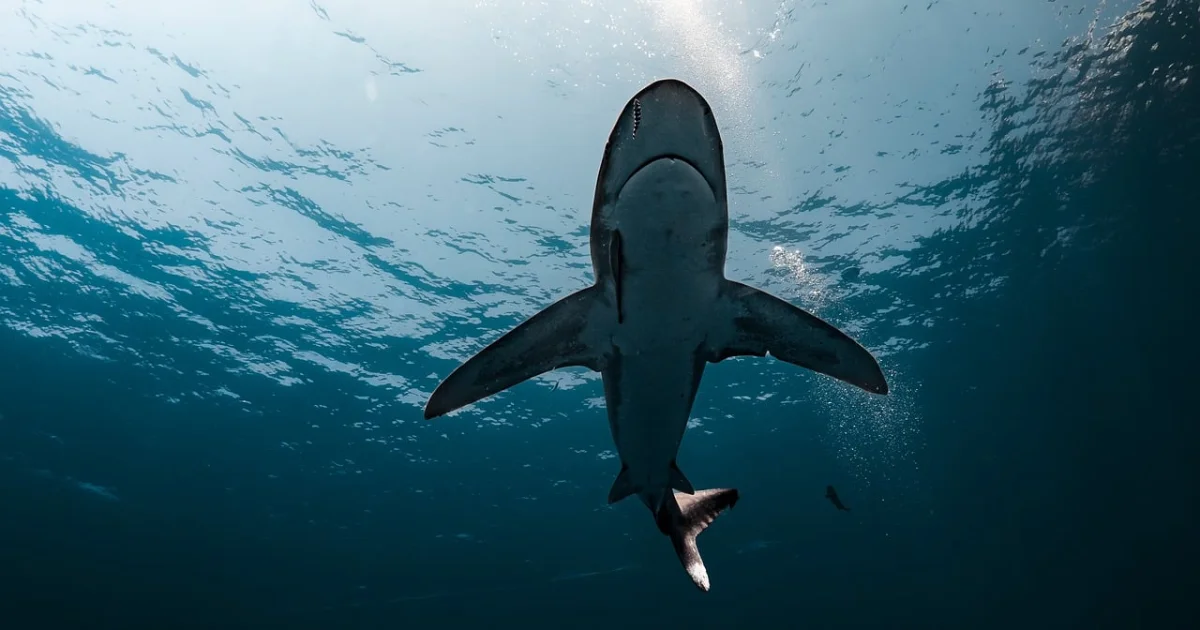
Climate change is not just a distant threat; it’s a reality that’s already affecting the world’s oceans. Rising temperatures are altering the delicate balance of marine ecosystems, pushing species to their physiological limits. Great white sharks, as mesotherms, are particularly vulnerable to these changes. As apex predators, they exert disproportionate control on species below them in the food chain, making them a crucial indicator of the health of the ocean.
The Impact of Warming Waters on Great Whites
Research has shown that a one-ton warm-bodied shark, such as the great white, may struggle to remain in waters above 62.6° Fahrenheit (17° Celsius) without taking countermeasures. This is because their bodies are designed to operate within a narrow temperature range, and excessive heat can lead to a range of problems, including reduced energy reserves, impaired reproduction, and increased susceptibility to disease. In other words, great whites are being pushed closer to their physiological limits, making them more vulnerable to the impacts of climate change.
According to Edward Snelling, a physiologist at the University of Pretoria, “These animals are already operating on a tight energy budget, and climate change is narrowing their options even further.” This means that great whites are facing a perfect storm of challenges, from declining food sources to increased competition for resources, all while struggling to adapt to a changing climate.
Thermal Tolerance: The Limitations of Aquatic Species
Thermal tolerance is a critical concept in understanding the impact of climate change on aquatic species. It refers to the ability of an organism to withstand changes in temperature without suffering adverse effects. Great white sharks, as mesotherms, have a relatively narrow thermal tolerance range, making them particularly susceptible to the impacts of warming waters. In fact, research has shown that even small changes in temperature can have significant effects on the behavior, physiology, and reproduction of great whites.
For example, a study on basking sharks, which can weigh over three tons, found that even small changes in temperature can affect their behavior and feeding patterns. This has significant implications for great white sharks, which are often dependent on the same prey species. As warming waters alter the distribution and abundance of these prey species, great whites may struggle to adapt, leading to declines in their populations.
Conservation Implications: The Role of Great Whites as Sentinel Species
Great white sharks have emerged as a sentinel species, with changes in their populations serving as an indicator of the health of the ocean. As apex predators, they play a critical role in maintaining the balance of marine ecosystems, and their decline can have far-reaching consequences. In South Africa, for example, great whites have become an iconic species, with many local and international conservation narratives positioning them as a keystone species essential to maintaining ocean health.
However, the decline of great white sightings in False Bay, Mossel Bay, and Gansbaai is multifaceted, with thermal relocation being just one contributor. Other manmade harms, such as overfishing, shark netting, and habitat destruction, also play a significant role. According to Payne, a marine conservation researcher, “If we had to say what is the one thing that we need to urgently address for these animals, it’s the fishing problem. The most acute, urgent crisis these animals face is from overfishing, and particularly now from bycatch.”
Bycatch: The Hidden Threat to Great White Sharks
Bycatch, or the accidental catching of fish and other marine animals, is a significant threat to great white sharks. Long lines and large nets, often used in commercial fishing operations, can catch and kill great whites, as well as other non-target species. This not only harms the sharks but also perpetuates the decline of their populations. In fact, research has shown that bycatch can be a major contributor to the decline of great white sightings in certain regions.
History offers a grim precedent for physiological vulnerability itself. Fossils of extinct warm-bodied species, such as the Megalodon shark, suggest that they suffered disproportionately during past ocean temperature increases. Today’s oceans are changing at unprecedented speeds, and the alarm bells are ringing loudly at this point. It’s essential that we take immediate action to address the impacts of climate change on great white sharks and their habitats.
You may also enjoy reading: Legit Ways to Score 15% Off Your Next Adidas Purchase with the Latest Promo Code.
Practical Solutions: Addressing the Impacts of Climate Change on Great Whites
Reducing Bycatch: A Critical Step in Great White Conservation
Reducing bycatch is a critical step in great white conservation. This can be achieved through a range of measures, including the use of turtle-excluding devices (TEDs) on commercial fishing gear, the implementation of catch-and-release fishing practices, and the establishment of marine protected areas (MPAs). MPAs can provide a safe haven for great whites and other marine species, allowing them to recover from the impacts of climate change.
For example, the creation of the Great White Shark Sanctuary in South Africa has provided a safe haven for great whites and other marine species. The sanctuary, which spans over 1 million square kilometers, has helped to reduce bycatch and protect great white habitats. This is a crucial step in addressing the impacts of climate change on great whites and their habitats.
Climate Change Mitigation: A Global Effort
Climate change is a global issue, requiring a global response. It’s essential that we take immediate action to reduce greenhouse gas emissions and transition to renewable energy sources. This will not only help to mitigate the impacts of climate change on great whites but also provide a safer and more sustainable future for all.
For example, the implementation of clean energy policies, such as wind and solar power, can help to reduce greenhouse gas emissions and mitigate the impacts of climate change on great whites. Additionally, initiatives such as the Ocean Conservation Plan, which aims to protect and restore ocean ecosystems, can provide a framework for addressing the impacts of climate change on great whites and their habitats.
Community Engagement: Educating the Public about Great White Conservation
Community engagement is a critical component of great white conservation. Educating the public about the impacts of climate change on great whites and their habitats can help to raise awareness and promote action. This can be achieved through a range of measures, including the development of educational programs, the creation of public awareness campaigns, and the establishment of community-led conservation initiatives.
For example, the creation of the Great White Shark Education Program in South Africa has helped to educate the public about the importance of great white conservation. The program, which is led by local communities, provides educational materials and workshops to promote awareness and action. This is a crucial step in addressing the impacts of climate change on great whites and their habitats.