If you hold a Texas driver’s license, you may want to check your recent notifications closely. This Texas driver license breach stands as one of the largest data breaches to affect the state this year, exposing a troubling gap in how public agencies protect sensitive records.
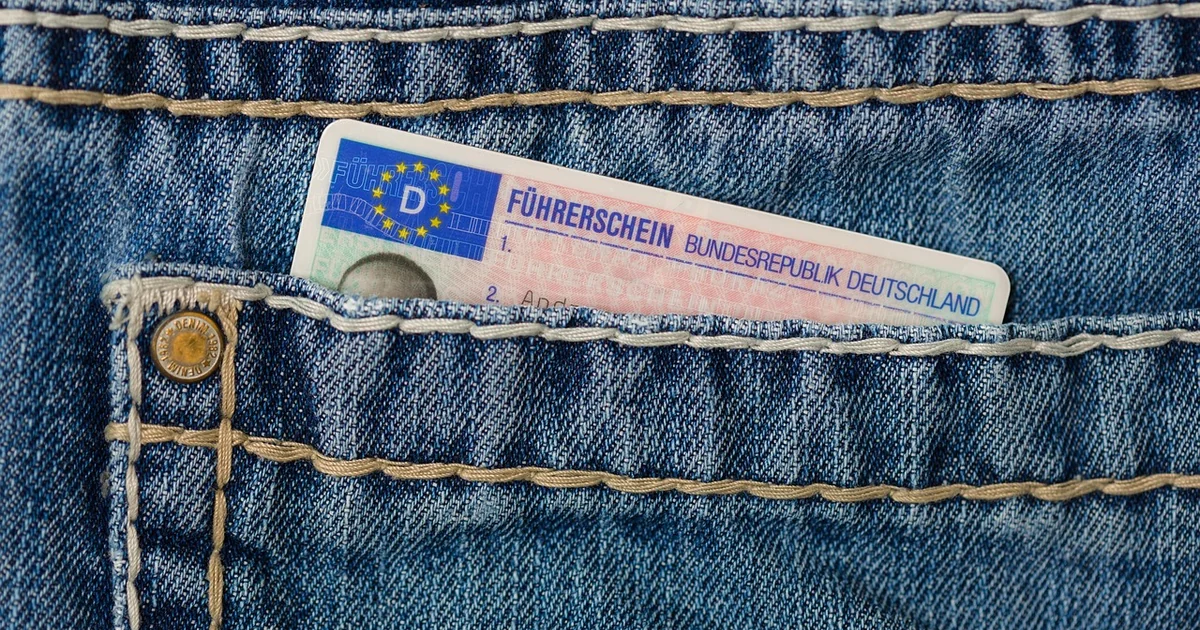
The stolen data includes not just your license number. Hackers also gained access to email addresses, phone numbers, and residential addresses of affected license holders. For anyone caught in this Texas department data breach, the immediate concern is how this personal information might be used. When a breach of this scale hits a government database, the risks extend beyond simple identity theft — they open the door for targeted scams and fraud attempts that can follow you for years.
1. What Data Was Exposed and How the Breach Occurred
Knowing exactly what was stolen in the Texas driver license breach is the first step to protecting yourself. The stolen personal data Texas residents need to worry about includes driver’s license numbers, passport numbers, email addresses, phone numbers, and residential addresses. That’s a rich set of information for criminals, since a driver’s license number can be used to open accounts or file fraudulent tax returns in your name.
So how did it happen? The incident didn’t target the department’s main systems directly. Instead, hackers accessed a license system vendor breach — a third-party company that handles the sale of hunting and fishing licenses for the state. This type of vendor security vulnerability is increasingly common: attackers find a weak link in a partner’s network to slip into a larger government database. The department has not named the vendor, which makes it harder for affected individuals to know exactly how the entry point was exploited. For you, the key takeaway is that even when you interact with a trusted agency, your data may be exposed through a less obvious back door.
2. The State’s Response and Missing Details
Given the limited information about the entry point, you might expect a more detailed update from officials—but that has not been the case. The Texas Parks & Wildlife department did post a data breach notice on its website, yet the specifics are frustratingly vague. The state’s cybersecurity unit detected the security incident, but the notice does not clarify the nature or timing of the breach. This lack of transparency is particularly concerning for a Texas driver license breach of this size. Without clear dates or a description of how the data was accessed, you are left guessing about the timeline of events and the potential window of exposure for your information.
Furthermore, the response leaves critical gaps. It is unknown whether the department received any direct outreach from the hackers, which is often a key step in ransomware or extortion attempts. On top of that, the agency did not respond to TechCrunch‘s request for comment, adding to the confusion. This silence from the state response data breach officials means you have no confirmation on whether the vulnerability has been patched or if additional security measures are now in place. The Texas cybersecurity unit may have handled the detection, but the missing breach details undermine trust and make it harder for you to protect yourself after this incident.
3. What Affected Individuals Should Do Next
Even though the breach details remain incomplete, you can still take practical steps to protect yourself. The notification process and any offered protection services haven’t been confirmed, so it’s smart to act proactively rather than wait for a letter that may never come. Your first move: check data breach Texas updates from the Texas Parks and Wildlife Department. Their official website may eventually post a notice explaining who was affected and what data was compromised. In the meantime, assume your personal information could be at risk—especially if you have a state driver’s license or passport number.
You can read more on this topic in 7 Web Development Trends Defining 2026.
Steps to Verify if You Were Affected
Since authorities haven’t broken down how many people had each type of data stolen, you’ll need to rely on your own records. Did you buy a hunting or fishing license online through the Texas Parks and Wildlife system in the past few years? If yes, your driver’s license number, and possibly your passport number, may have been accessed. Watch for official announcements that include a tool or link to confirm your involvement. If none appear, consider placing a fraud alert on your credit files—it’s free and forces lenders to verify your identity before opening new accounts in your name.
Monitoring for Fraud and Identity Theft
Identity theft protection after breach doesn’t have to be expensive. You can start by credit monitoring Texas reports for free through the three major bureaus: Equifax, Experian, and TransUnion. Request a free report from each annually through AnnualCreditReport.com, and spread them out over the year to catch suspicious activity early. Also, be alert for phishing emails that pretend to be from Texas Parks & Wildlife or other state agencies—they may try to trick you into sharing additional personal details. Finally, review your bank and credit card statements for unauthorized transactions. Acting now can reduce the chance that your compromised driver’s license leads to long-term financial headaches.
Frequently Asked Questions
How can I check if my driver’s license was part of this Texas driver license breach?
Start by visiting the official Texas Department of Public Safety website for any breach notifications. You can also monitor your credit reports from the three major bureaus for any unusual activity. If you receive a direct notice from the state, follow the steps provided to verify your information.
Which vendor was hacked, and why isn’t it being named?
The specific vendor responsible for the Texas driver license breach has not been publicly named, likely due to ongoing investigations or legal agreements. Authorities often withhold vendor details until they complete their probe to avoid interfering with the process. This approach helps ensure a thorough investigation without compromising future security measures.
Is there a risk of identity theft or fraud from this exposed information?
Yes, any data breach involving driver’s license details raises the risk of identity theft and fraud. Criminals could use your stolen information to open accounts or commit other scams. As a practical step, place a fraud alert on your credit file and regularly review your financial statements for suspicious activity.